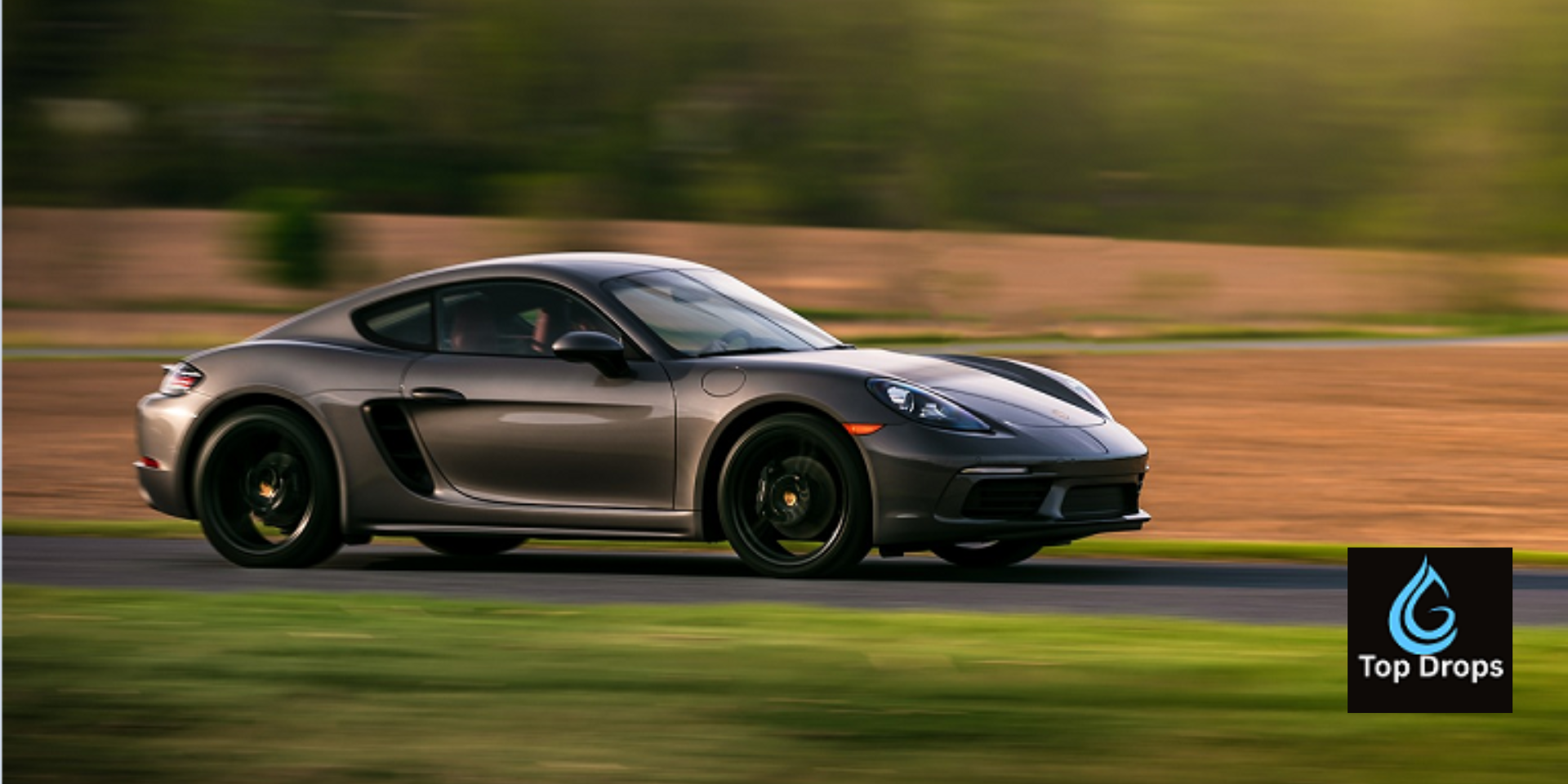
Artificial Intelligence (AI) is no longer a futuristic concept — it’s already transforming the automotive industry in incredible ways. From making vehicles safer to enhancing driver comfort and paving the path toward fully autonomous transportation, AI-powered cars is now at the core of modern cars.
In this blog, we’ll explore how AI is being used in cars today (in 2025), the key technologies involved, and how they’re impacting drivers, manufacturers, and the entire transportation ecosystem. If you’re looking to stay ahead in the auto industry or simply want to understand how AI is improving the way we drive, this guide is for you.
Why AI-Powered Cars?
AI technologies allow vehicles to:
- Sense and interpret their environment
- Make real-time decisions
- Predict driver and system behavior
- Continuously improve over time
These capabilities have enabled a host of new features in cars — not only improving safety and efficiency but also delivering a smarter and more personalized driving experience.
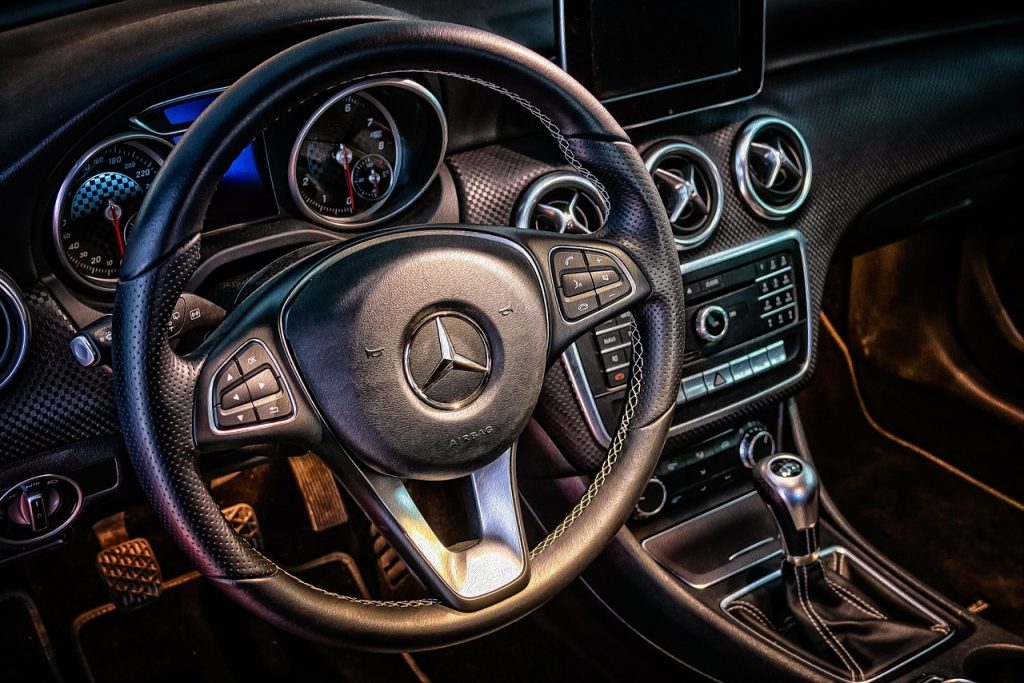
1. Advanced Driver-Assistance Systems (ADAS)
One of the most widespread uses of AI in vehicles today is in Advanced Driver-Assistance Systems. These are semi-autonomous features that help reduce driver workload and improve safety.
Key ADAS features powered by AI include:
- Adaptive Cruise Control (ACC): Maintains safe distance from vehicles ahead by adjusting speed.
- Lane Keeping Assist (LKA): Detects lane markings and gently steers to keep the car in lane.
- Automatic Emergency Braking (AEB): Detects potential collisions and applies brakes automatically.
- Blind Spot Monitoring: Uses AI to detect vehicles in blind spots and issue warnings.
2. Autonomous Driving and AI
While fully autonomous vehicles (Level 5 autonomy) are still in development, AI-powered cars is powering significant advancements in semi-autonomous driving (Levels 2 to 4).
Technologies enabling autonomy:
- Computer Vision: Analyzes images from cameras to recognize pedestrians, traffic signs, lanes, etc.
- Sensor Fusion: Combines data from cameras, radar, LiDAR, and GPS to build a real-time map of surroundings.
- Deep Learning Algorithms: Make split-second decisions about steering, braking, and navigating.
Popular examples in 2025:
- Tesla Autopilot & FSD
- Mercedes-Benz Drive Pilot
- Waymo and Cruise robo-taxis in urban areas
3. AI-Powered In-Cabin Experience
AI is also enhancing how drivers and passengers interact with vehicles.
Examples of in-cabin AI features:
- Voice Assistants: Natural language processing (NLP) allows drivers to control car functions via voice (e.g., “I’m cold” adjusts climate).
- Personalization: Adjusts seat position, temperature, music, and navigation based on driver profiles.
- Driver Monitoring Systems: AI detects signs of fatigue or distraction by tracking eye movement, facial expressions, or head position.
These features aim to reduce distractions, increase comfort, and make driving more intuitive.
4. Predictive Maintenance and Diagnostics
Gone are the days of guessing when your car needs servicing. AI now enables predictive maintenance, saving drivers money and avoiding unexpected breakdowns.
How it works:
- AI analyzes data from vehicle sensors to predict component wear.
- It notifies drivers before a failure occurs — whether it’s a worn-out brake pad, battery issue, or low tire pressure.
- Manufacturers use AI analytics to schedule service, issue software updates, and improve parts.
This is especially valuable for fleet managers, ride-share companies, and EV owners.
5. Smart Navigation and Traffic Management
AI is dramatically improving navigation systems and traffic awareness.
Features include:
- Real-time traffic prediction: AI evaluates traffic, road closures, and weather to suggest optimal routes.
- Dynamic rerouting: Constant route updates based on changing road conditions.
- Fuel and energy optimization: For EVs, AI finds the most energy-efficient path and locates charging stations.
Google Maps, Apple Maps, and Waze all use AI, but carmakers are increasingly embedding proprietary AI nav systems directly into vehicles.
6. AI in Automotive Manufacturing and Design
AI is not just in the cars themselves — it’s revolutionizing how they’re made.
Use cases in manufacturing:
- AI-based quality control: Vision systems detect flaws in paint, welding, or assembly.
- Robotic automation: AI guides robots in production lines for tasks like welding and painting.
- Generative design: AI helps engineers design lighter, stronger, and more aerodynamic vehicle parts.
In 2025, AI-powered cars design leads to faster production cycles, reduced costs, and more sustainable vehicles.

7. Enhanced Cybersecurity for Connected Cars
As vehicles become more connected via internet and cellular networks, cybersecurity risks increase — and AI-powered cars plays a vital role in addressing them.
AI helps by:
- Monitoring networks for unusual activity or threats.
- Protecting Over-the-Air (OTA) updates from malicious tampering.
- Securing driver data and communication between vehicle systems.
Carmakers are now investing heavily in AI-based cybersecurity systems to keep vehicles safe from hacking and data breaches.
8. Insurance and AI Risk Assessment
AI is transforming car insurance models by enabling usage-based insurance (UBI) and behavioral pricing.
How it works:
- AI tracks driving behavior (speeding, harsh braking, etc.)
- Insurers use this data to offer customized premiums.
- Some cars even include built-in telematics for instant risk analysis.
This system rewards safe driving, lowers premiums, and offers real-time claim support.
What’s Next for AI in Cars?
Looking ahead to 2026 and beyond, we’ll see even more disruptive AI technologies:
- Full autonomy in limited zones
- AI co-pilot systems that assist with parking, charging, and multi-modal travel
- Greater V2X (vehicle-to-everything) communication
- Emotion-sensing AI to improve mental well-being while driving
Governments are also adapting regulations to support AI-driven innovation while ensuring safety and privacy.
AI-powered cars is transforming every aspect of the automotive experience — from how we drive, interact with vehicles, and maintain them, to how they’re designed and manufactured. In 2025, cars have become intelligent machines that learn, adapt, and assist drivers like never before.
Whether you’re a car enthusiast, industry professional, or tech-savvy driver, understanding the role of AI in cars today gives you a front-row seat to the future of mobility.
Also Read – Powerful AI Presents: Waymo Driverless Transportation in the U.S