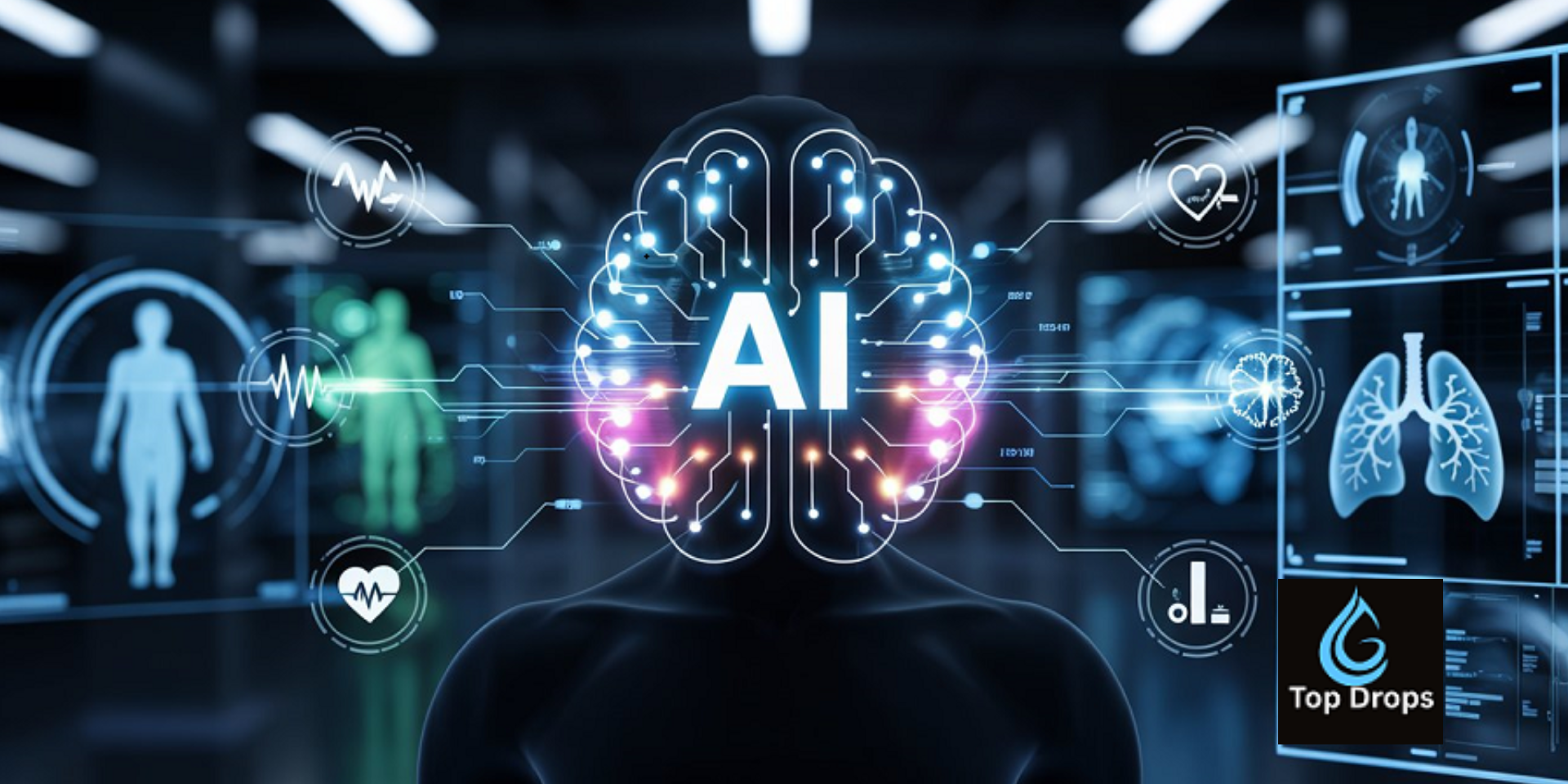
Artificial Intelligence, or AI, is changing the world in ways we could have never imagined. From self-driving cars to smart home assistants, AI is everywhere. But one area where AI is proving to be life-saving and truly necessary is healthcare. Imagine visiting a doctor and having your medical records, lab results, and even potential diagnoses analyzed instantly. This is no longer science fiction — it is happening right now thanks to AI.
In this blog, we will explore why AI in healthcare is crucial, how it is changing the medical field, and what we can expect in the near future. We’ll also touch on some exciting AI news today, the latest AI tools, AI trends 2025, and even cheap AI tools that are making healthcare smarter and more accessible.
What Is AI In Healthcare?
AI in healthcare is the use of computer programs, algorithms, and smart machines to help doctors, nurses, and hospitals provide better care. AI systems can analyze huge amounts of data, spot patterns that humans might miss, and even help predict health problems before they become serious.
For example, imagine a patient has a mild cough. A doctor may not know whether it is something minor or a sign of a more serious illness. But AI tools can quickly analyze medical records, lab results, and even research papers to provide suggestions. This helps doctors make faster and more accurate decisions.
How AI Helps In Diagnosing Diseases?
One of the most important ways AI helps healthcare is by diagnosing diseases. AI can look at medical images like X-rays, MRIs, and CT scans with incredible precision. Sometimes, AI can detect problems earlier than human doctors. Early detection is crucial because it can save lives, especially for serious diseases like cancer.
For example, a hospital in Europe recently started using AI tools to read mammograms for breast cancer. The AI system was able to detect early signs of cancer more accurately than humans in some cases. This shows how AI is not replacing doctors, but working alongside them to provide better care.
AI Helps In Personalizing Treatment
Everyone’s body is different. The treatment that works for one person may not work for another. This is where AI shines. AI tools can analyze a patient’s genetics, medical history, and lifestyle to recommend personalized treatments.
For instance, a patient with diabetes may receive a treatment plan that is different from another diabetic patient because their bodies respond differently to medications. AI can analyze huge amounts of data to figure out what works best for each individual. This makes treatments more effective and reduces harmful side effects.
AI And Remote Healthcare
Another exciting development is remote healthcare powered by AI. Many people, especially in rural areas, do not have easy access to hospitals. AI tools can help monitor patients’ health from home using wearable devices.
These smart devices can track heart rate, blood sugar, blood pressure, and more. The data is sent to AI systems, which can alert doctors if something seems wrong. For example, an AI system might detect that a patient’s heart rate is unusually high and notify the doctor immediately. This can prevent serious emergencies and save lives.
Reducing The Workload For Doctors
Doctors and nurses have a lot of work. They spend hours reviewing patient files, updating records, and filling out paperwork. AI can take over many of these repetitive tasks.
The latest AI tools can automatically summarize medical records, generate reports, and even schedule appointments. This allows healthcare professionals to spend more time with patients and provide better care. AI does not replace humans; it supports them by making their jobs easier.
AI Trends 2025 In Healthcare
AI is advancing very quickly. According to experts, some of the AI trends 2025 in healthcare will include:
- AI-powered robots assisting in surgeries – Robots can help doctors perform precise surgeries, reducing risks and recovery time.
- Virtual health assistants – AI chatbots can answer patients’ questions, schedule appointments, and give reminders for medications.
- Predictive analysis – AI will predict potential health problems before they happen, helping people prevent diseases.
- Multimodal AI tools – AI that can read text, images, and voice data at the same time for a more complete understanding of a patient’s health.
These trends show that AI will continue to make healthcare faster, safer, and more efficient.
Affordable AI: Cheap AI Tools in Healthcare
One of the biggest challenges in healthcare is cost. Hospitals and clinics often cannot afford expensive tools. This is where cheap AI tools are making a difference.
Some startups are developing AI software that is affordable and easy to use, even for small clinics. These cheap AI tools can help with medical imaging, patient monitoring, and record keeping. By making AI more accessible, these tools ensure that more people can benefit from AI in healthcare, not just those in wealthy hospitals or big cities.
AI News Today: Real-World Examples
Keeping up with AI news today shows how fast things are changing. Here are some recent examples:
- AI is being used to detect heart conditions in seconds using digital stethoscopes.
- New AI systems can predict susceptibility to more than 1,000 diseases, allowing for preventive care.
- Hospitals in Europe are using AI to optimize workflow, reducing wait times and improving patient satisfaction.
These examples show that AI is not just a future concept — it is already helping millions of people today.
Challenges Of AI In Healthcare
While AI offers many benefits, there are also challenges. Some of these include:
- Privacy concerns – Patient data is sensitive. AI systems must ensure data is secure.
- Bias in AI – AI can only learn from the data it is given. If the data is biased, AI might make unfair recommendations.
- Cost and training – Even cheap AI tools require training staff to use them effectively.
- Trust – Doctors and patients need to trust AI systems to make accurate recommendations.
These challenges are being addressed by researchers, hospitals, and governments to ensure AI is safe and effective.
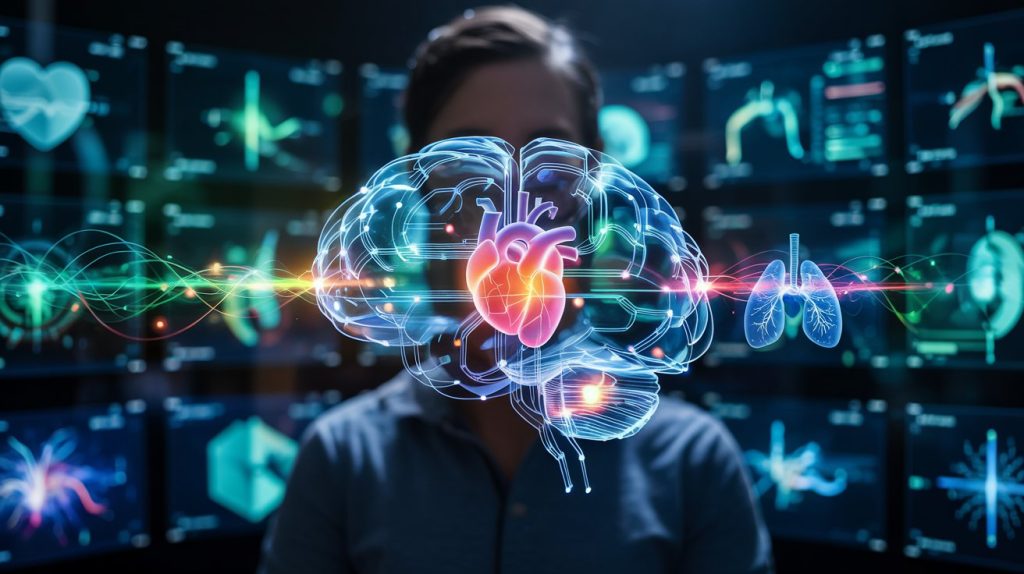
Why AI In Healthcare Is Necessary?
AI in healthcare is not just a luxury — it is necessary. Here’s why:
- Saves lives – Early detection and better treatment plans can prevent deaths.
- Makes healthcare more efficient – Doctors can focus on patients instead of paperwork.
- Accessible to more people – Remote monitoring and cheap AI tools bring healthcare to rural areas and underserved communities.
- Keeps improving – AI systems learn and get smarter over time, continuously improving healthcare quality.
Without AI, healthcare would still rely on slower, manual processes that can sometimes lead to mistakes or delays. With AI, we can create a healthcare system that is faster, safer, and more personalized.
The Future of AI In Healthcare
The future is bright for AI in healthcare. By 2025, AI is expected to be an essential part of hospitals, clinics, and even home healthcare. The latest AI tools will be smarter, faster, and cheaper, making healthcare more accessible than ever.
Patients will benefit from early disease detection, personalized treatments, and better overall care. Doctors will benefit from tools that help them work more efficiently. And society as a whole will benefit from healthier communities and lower healthcare costs.
AI is no longer just a technology trend — it is a necessary part of life. By understanding and embracing AI in healthcare, we can ensure that everyone gets the care they need, when they need it.
Conclusion
AI in healthcare is transforming the way we live. From diagnosing diseases to personalizing treatment, AI makes healthcare faster, smarter, and more accessible. The AI news today proves that this technology is already saving lives. With cheap AI tools and the latest AI tools, more hospitals and clinics can benefit from AI. Looking at AI trends 2025, we can expect even more amazing breakthroughs in healthcare.
For students, doctors, and families, understanding AI in healthcare is important because it is no longer the future — it is happening now. AI is necessary in our lives, helping us live longer, healthier, and better lives.
Also Read – Buckle UP! The Era Of Digital Coworkers Is Here?