
Artificial Intelligence is growing faster than ever before. Every day, we see new breakthroughs in AI news today — from smart chatbots to AI that can create art, music, and videos. But one of the most exciting and talked-about AI trends of 2025 is Multimodal AI.
So, what makes Multimodal AI so special? It’s a new generation of smart systems that can understand and combine different types of information — like text, pictures, sound, and even video — just like humans do.
This blog will explain what Multimodal AI is, how it works, who’s leading the race, and what latest AI tools and even cheap AI tools you can explore today.
What Is Multimodal AI?
In simple words, Multimodal AI is an advanced form of artificial intelligence that can process and connect multiple “modes” or types of data — such as text, images, audio, and video — all at once.
For example:
- You could show it a photo of your dog and say, “Write a funny caption for this.”
- The AI would look at the image, understand what’s happening, and then write something funny and relevant.
This is different from older AI systems that could only handle one type of data at a time (for instance, only text).
In other words, Multimodal AI doesn’t just “read” — it can “see,” “hear,” and “think” together.
How Does Multimodal AI Work?
Multimodal AI combines several kinds of neural networks — one that understands images (computer vision), one that understands text (natural language processing), and sometimes others that handle sound or video.
These networks share information with each other, so the AI builds a “complete picture” of what’s going on.
Let’s say you upload a video of a cat playing with yarn and ask:
“Describe what’s happening and write a short poem about it.”
A multimodal AI model can:
- Analyze the video to see what’s happening.
- Understand your text request.
- Combine both pieces of information.
- Generate a fun poem that describes the video perfectly.
This makes interactions with AI feel more human-like and creative.
Why Multimodal AI Matters?
Multimodal AI is transforming how we work, learn, and create. It’s not just a cool tech upgrade — it’s a major leap in how machines understand the world.
Here are some ways it’s already making an impact:
- Education: Students can upload homework, images, or voice notes, and AI tutors can explain topics visually and verbally.
- Healthcare: Doctors use it to analyze X-rays or MRI scans and get plain-language explanations of the results.
- Business: Companies use it to design ads, summarize reports, and create product visuals all in one go.
- Entertainment: Game designers, musicians, and filmmakers use AI to create characters, music, and scenes from simple text prompts.
- Accessibility: For people with disabilities, AI can describe surroundings, read documents aloud, or turn speech into visual instructions.
Who’s Leading the Multimodal AI Race?
The world’s biggest tech companies are racing to build smarter, more capable Multimodal AI systems. Here’s a look at the main players:
1. OpenAI (GPT-5)
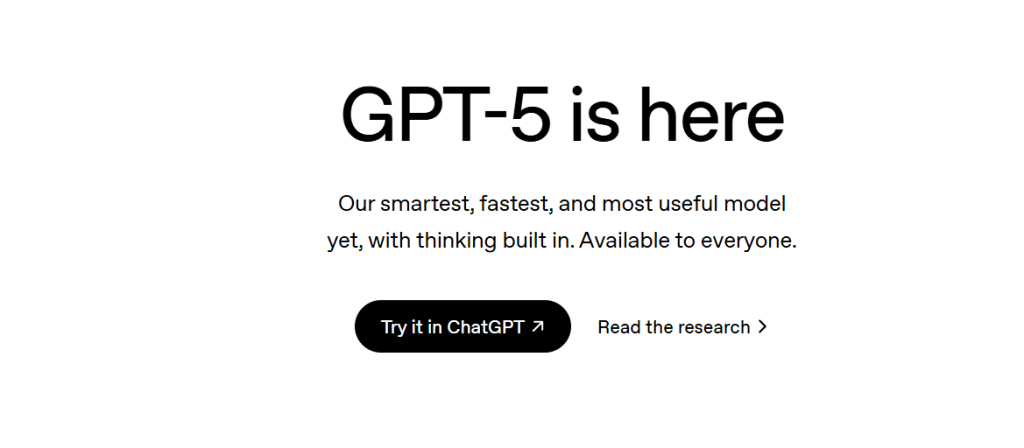
OpenAI’s GPT-5 is one of the most advanced multimodal models. It can handle text, images, and audio in the same chat. You can upload a picture, ask a question, and get detailed, context-aware answers. OpenAI is also behind ChatGPT, one of the latest AI tools used by millions of people every day.
2. Google DeepMind (Gemini 2)
Google’s Gemini 2 focuses on combining strong reasoning with multimodal understanding. It’s designed to help with research, coding, and education by blending images, text, and voice seamlessly.
3. Anthropic (Claude 3 Series)
Anthropic’s Claude 3 models are known for their accuracy and ethical design. They handle documents, charts, and images, making them great for office work and academic research.
4. Meta (Facebook AI)
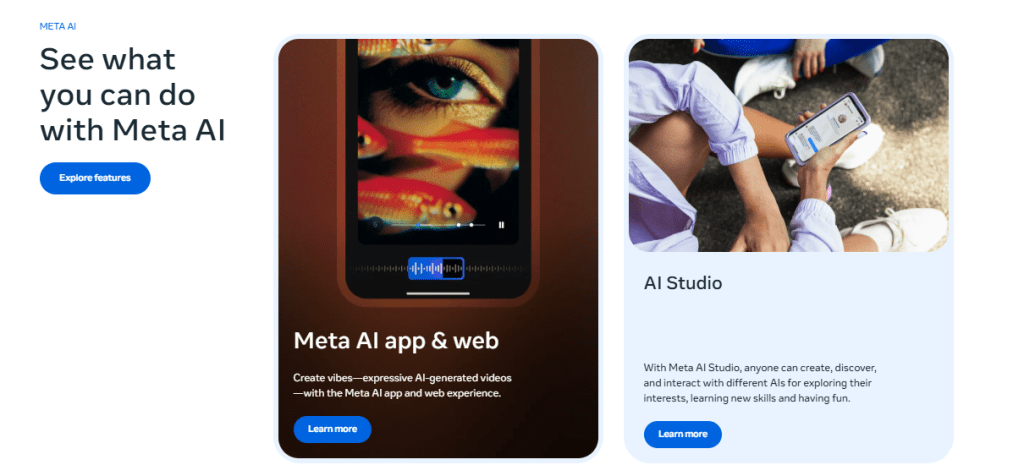
Meta is using Multimodal AI to power the next generation of AR/VR experiences in the metaverse. Imagine wearing smart glasses that can see what you see and give you helpful tips in real-time.
5. Amazon and Microsoft
Both tech giants are integrating multimodal capabilities into their cloud services and productivity apps. Microsoft’s Copilot already helps users write, design, and analyze data — all using AI.
Exploring Cheap AI Tools
Not all powerful AI tools are expensive! Some cheap AI tools (or even free ones) let you experience multimodal features right now. Here are a few worth trying:
- Canva Magic Studio – Create stunning designs with text and image prompts.
- Runway ML – Turn text into short videos and edit them easily.
- Leonardo.ai – Generate art and game assets from text.
- Pika Labs – A popular, low-cost video generation platform.
- ChatGPT (free version) – Offers multimodal chat with image understanding.
These tools are great for students, creators, and small businesses who want to experiment without spending much.
AI Trends 2025: What’s Next?
The future of AI is heading toward more natural, human-like intelligence — and Multimodal AI is leading that charge.
Here are a few upcoming AI trends for 2025 to keep an eye on:
- AI Agents: Smart assistants that can plan tasks and take actions on your behalf.
- Personalized AI Tutors: Learning tools that adapt to your emotions and progress.
- AI in Everyday Devices: From your fridge to your car, expect smarter systems that “see” and “talk.”
- Ethical AI: Governments will push for safer, more transparent AI systems.
- Open-Source Innovation: More developers are releasing free or cheap AI tools, helping everyone join the AI revolution.
Conclusion
Multimodal AI is changing what’s possible with artificial intelligence. It combines text, images, sound, and video to understand the world more like humans do. From classrooms to hospitals, businesses to entertainment, this technology is making AI more powerful — and more accessible — than ever before.
As AI trends 2025 unfold, expect more innovation, more creativity, and more affordable tools for everyone. Whether you’re exploring latest AI tools or looking for cheap AI tools to experiment with, Multimodal AI is the perfect place to start.
Read Also – 2025’s Best AI Music Tools: Make Studio-Quality Tracks Easily
Also Read – Google Veo 3.1 vs. OpenAI Sora — Which Video AI Is Better?