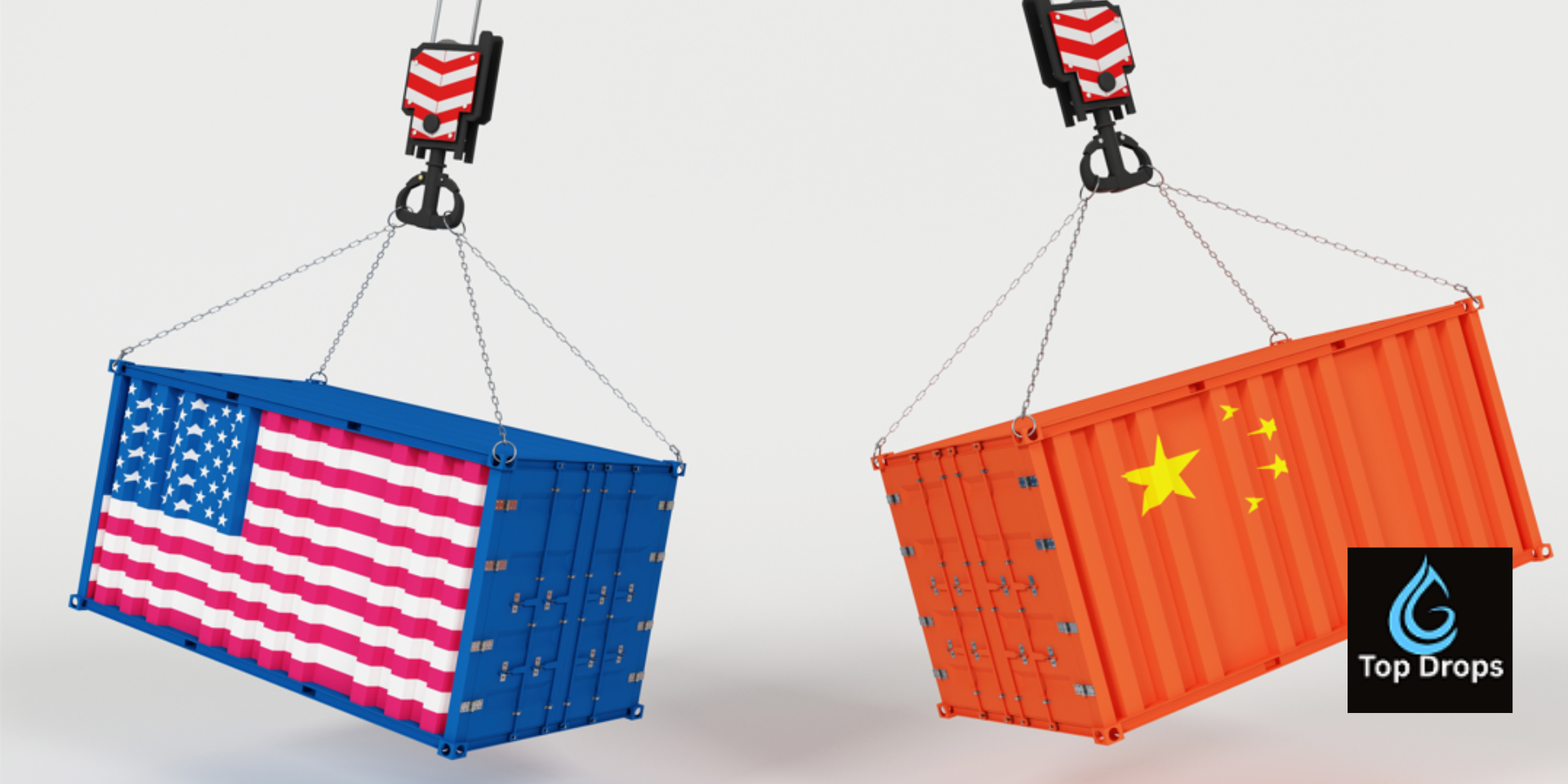
In recent months, trade tensions between the United States and China have intensified, leading to a series of tariff hikes and export restrictions that threaten to disrupt global markets. These measures reflect ongoing strategic competition and raise concerns about the future of international trade and economic growth.
The Roots of the Conflict
The origins of the U.S.-China trade dispute trace back to issues such as intellectual property rights, market access, and national security concerns. Both countries have imposed tariffs on hundreds of billions of dollars’ worth of goods, aiming to protect domestic industries and assert economic dominance.
Tariffs: A Double-Edged Sword
Tariffs have served as both a bargaining chip and a source of tension. While intended to encourage negotiations, they have also increased costs for businesses and consumers. American companies reliant on Chinese components face higher expenses, while Chinese exporters encounter barriers in key markets.
Export Restrictions and Strategic Resources
Beyond tariffs, the U.S. has implemented export restrictions targeting Chinese technology firms and critical materials, including rare earth elements vital for electronics and defense industries. These restrictions aim to curb China’s technological advancement but risk provoking retaliatory actions.
Global Impact and Market Volatility
The ripple effects extend beyond bilateral relations, affecting global supply chains and investment decisions. Markets have shown volatility, with investors wary of the uncertainty surrounding trade policies. U.S.-China trade tensions have been rising since a long time ago. Countries worldwide are evaluating their positions and strategies amid this shifting landscape.
Looking Ahead: Negotiations and Risks
While both nations have expressed willingness to engage in talks, deep-rooted strategic competition makes resolution challenging. Stakeholders must prepare for prolonged uncertainty, potential policy shifts, and the need to diversify supply chains.
Conclusion
Understanding the evolving dynamics of U.S.-China trade tensions is crucial for businesses, policymakers, and investors. Staying informed and agile will be key to navigating the challenges and opportunities in this complex geopolitical environment.
Also Read – Crypto Currency Meltdown 2025: What Triggered the $19B Wipeout?